After a long Ontario winter, a lot of drivers notice the same thing. The car just doesn’t feel quite right anymore.
Maybe the steering wheel is off-centre. Maybe the vehicle drifts a little when you try to drive straight. Maybe it feels unsettled over bumps or starts pulling left or right on everyday roads you know well. If that sounds familiar, winter may have done more damage than you think.
Between potholes, rough pavement, freeze-thaw cycles, and hard hits from hidden road damage, spring is when alignment and suspension problems often start to show themselves. As CAA-Quebec explains in its guide to pothole-related vehicle damage, those impacts can affect much more than just your tires.
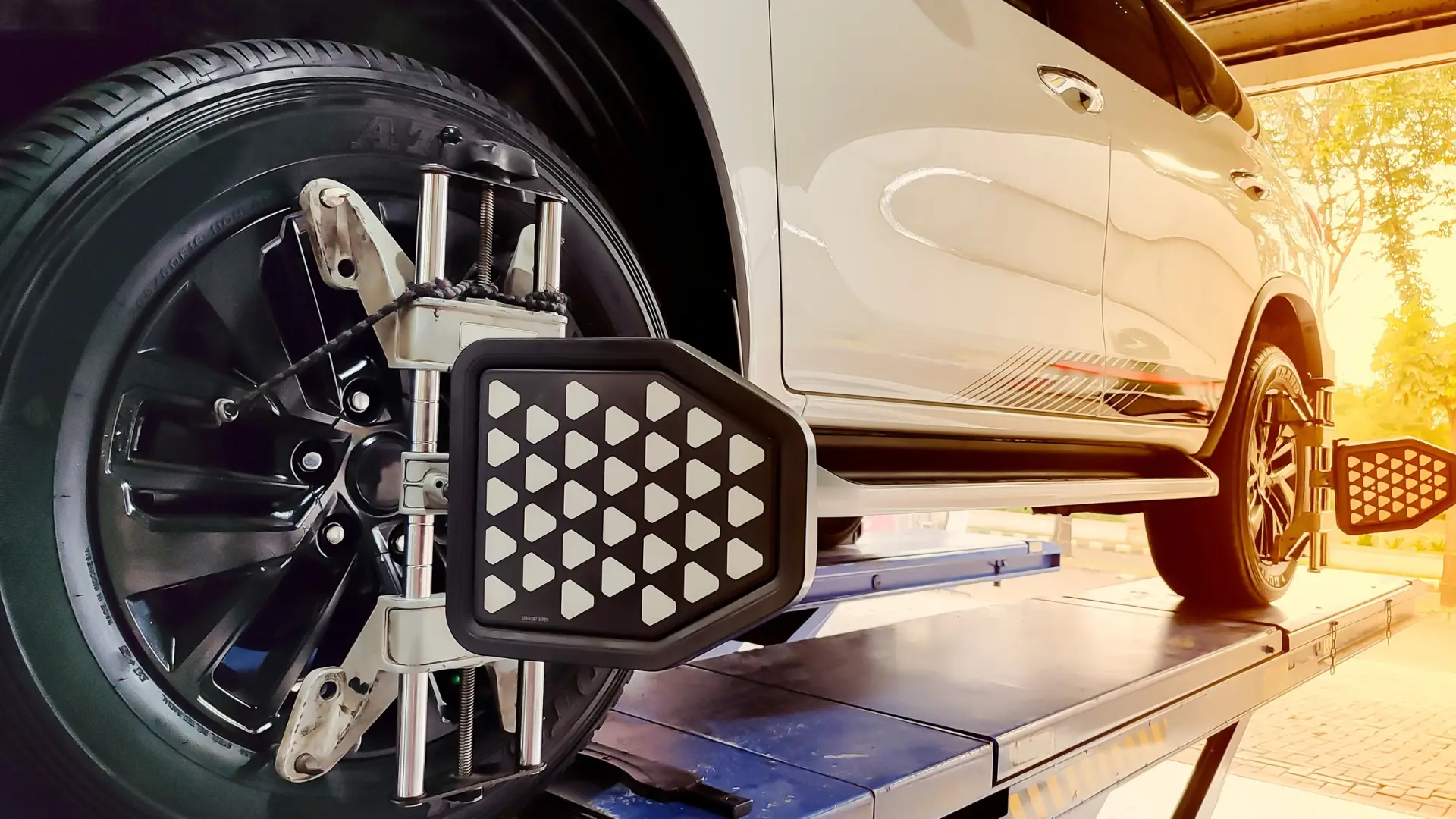
At 4 Aces Auto Centre, this is one of the more common spring concerns we see. A vehicle that pulls to one side may need a simple correction, or it may be warning you about wear in the steering, suspension, brakes, or tires. If your vehicle has started wandering after winter, this is a good time to schedule a wheel alignment Peterborough service and have the front end checked properly.
Winter Roads Can Change the Way Your Car Drives
A lot of people assume pulling means one thing. In reality, several different issues can cause it.
Winter roads are hard on vehicles. A pothole strike can knock your alignment off. A worn suspension component may start showing more obvious symptoms once the roads clear up. Tire wear from a rough winter may also become easier to spot in spring, especially when seasonal tires are swapped over and drivers start paying closer attention to how the car feels.
That is why spring is such an important time for a checkup. If your vehicle no longer feels planted and predictable, our tire and wheel services team can take a closer look before a smaller issue turns into uneven tire wear or a more expensive repair.
The Most Obvious Signs Your Alignment May Be Off
The clearest sign is the one most drivers notice right away. You’re trying to drive straight, but the car keeps drifting to one side.
You may also notice that the steering wheel is no longer sitting straight when the vehicle is moving forward. In some cases, the handling feels loose. In others, it feels like you are constantly making small corrections just to stay centred in your lane. Those are all common signs that alignment should be checked.
Tire wear often tells the same story. If one edge of the tread is wearing more quickly than the rest, the issue may be how that tire is contacting the road. Transport Canada’s tire safety guidance reinforces how important proper tire condition and maintenance are to safe handling, and alignment is part of that bigger picture. If something looks off, vehicle diagnostics can help confirm whether the pull is coming from alignment alone or something deeper in the front end.
Sometimes the Problem Is In the Suspension
Not every pulling issue is solved with alignment alone.
Your suspension system does a lot of work behind the scenes. Struts, shocks, tie rods, bushings, control arms, and ball joints all help keep your car stable and responsive. When one of those parts starts wearing out, the vehicle may pull, clunk, bounce, or feel less controlled on rough roads and around corners.
That is one reason it is worth getting a full inspection instead of guessing. An alignment may correct the symptom for a while, but if a suspension part is worn, the problem usually comes back. That is why many spring visits at 4 Aces include a full vehicle inspection rather than just a quick adjustment.
Pulling Under Braking Is A Different Clue
If the vehicle mostly pulls when you hit the brakes, alignment may not be the main issue.
Brake problems can create similar symptoms, especially if a caliper is sticking or one side is not applying force evenly. That is something we have touched on before in Cheap Brake Repairs Can Cost You More, where we talked about how poor quality parts and rushed brake work can lead to bigger problems later. A pull during braking is one of those warning signs that deserves a proper look.
This is where experience matters. Sometimes the issue is straightforward. Sometimes it is a combination of things, such as alignment, brake wear, and a tired suspension component all showing up at once after a rough winter.
Spring Tire Changes Are the Perfect Time To Catch It
When drivers switch out of winter tires, they often notice handling issues that were easier to ignore during the colder months.
That makes sense. In Winter Tires in Peterborough: A Simple Guide from 4 Aces Auto Centre, we pointed out that proper seasonal tire use helps maintain traction and protect the vehicle through winter conditions. Spring is when you want to make sure your warmer-season tires are going back on a vehicle that is tracking properly and wearing evenly.
It is also a good time to think a little bigger about overall maintenance. Our section on pro tips to extend your vehicle’s life, talks about how small preventative checks can help you avoid larger repairs later. That applies here too. Catching an alignment or suspension problem early can save your tires, improve your handling, and help prevent other front-end parts from wearing out faster than they should.
Don’t Ignore A Small Pull
A lot of people put this off because the car is still technically drivable. But a vehicle that pulls to one side is usually trying to tell you something.
The sooner you deal with it, the easier it often is to correct. Left too long, the same issue can wear out a good set of tires, make the car less comfortable to drive, and turn into a larger repair than it needed to be.
If your vehicle has not felt quite right since winter ended, bring it to 4 Aces Auto Centre. We can inspect the tires, steering, suspension, and brakes, explain what we find clearly, and help you sort out the real cause before it gets worse.
FAQs
Winter driving can expose your vehicle to potholes, rough pavement, and repeated impacts that affect alignment, tires, steering, or suspension components.
Yes. Even a single hard impact can change the way your wheels track and may also put extra stress on suspension and steering parts.
Yes, especially if you notice pulling, uneven tire wear, or a steering wheel that no longer sits straight while driving.
Yes. If the pull is strongest when braking, the issue may be brake-related rather than alignment alone.