
Why is my car AC blowing warm air? When the weather warms up in Peterborough, your vehicle’s air conditioning goes from a nice extra to something you rely on every day. A weak A/C system can make short drives uncomfortable and longer trips frustrating. If the air coming from your vents feels warm, damp, musty, or barely cool, your vehicle is likely telling you something needs attention.
A car’s air conditioning system is more than a button on the dash. It relies on refrigerant, pressure, sensors, hoses, electrical components, the compressor, the condenser, the cabin air filter, and the blower motor all working together. When one part is off, the whole system can struggle.
At 4 Aces Auto Centre, we help drivers understand what is happening before small A/C issues turn into bigger repairs. If your car is blowing warm air, here are the most common causes and what to do next.
Why Is My Car AC Blowing Warm Air?
Warm air from your vehicle’s A/C usually means the system is no longer cooling properly. Sometimes the problem is simple, such as a clogged cabin air filter restricting airflow. Other times, it can point to low refrigerant, a leak, a compressor issue, or an electrical fault.
It is easy to put off A/C repair because the car may still drive normally. But the longer the system runs with the wrong pressure or poor circulation, the harder certain components have to work. That can increase the chance of compressor damage, especially if the system is low on refrigerant or moisture has entered the lines.
If the air is no longer cold, booking professional car A/C repair in Peterborough is the safest way to find the cause rather than guessing.
Common Reasons Your Car A/C Is Not Cold
The most common reason a car A/C blows warm air is low refrigerant. Refrigerant helps absorb heat from inside the cabin and release it outside the vehicle. If there is not enough in the system, cooling drops quickly.
However, refrigerant does not simply get used up like windshield washer fluid. If it is low, there is often a leak somewhere in the system. That leak may be in a hose, O-ring, condenser, evaporator, compressor seal, or another connection point.
Other possible causes include a worn compressor clutch, damaged condenser, blocked cabin air filter, weak blower motor, failed pressure switch, or electrical issue. On some vehicles, the problem may also come from the blend door system, which controls how hot and cold air mix inside the cabin.
That is why a proper diagnosis matters. A quick top-up may temporarily make the air feel colder, but if the leak is still there, the problem will come back.
Why Low Refrigerant Usually Means A Leak
Many drivers search for A/C recharge kits when their car stops blowing cold air. It makes sense. A recharge sounds simple, quick, and cheaper than a repair. The issue is that adding refrigerant without testing the system can hide the real problem.
If the refrigerant level is low, a technician needs to check where it went. A proper A/C service may include pressure testing, leak detection, inspection of hoses and fittings, and checking whether the compressor is engaging correctly.
Overfilling the system can also create problems. Too much refrigerant can affect pressure levels and put stress on the compressor. The goal is not just to add more. The goal is to bring the system back to the manufacturer’s proper specification.
Weak Airflow Can Be A Different Problem
Not every A/C issue starts with refrigerant. Sometimes the air is cold, but not enough of it comes through the vents. If airflow feels weak, the cabin air filter may be clogged with dust, pollen, leaves, or other debris. This is especially noticeable after spring, when more dust and allergens are moving through the air.
A blocked cabin air filter can make the blower work harder and reduce comfort inside the vehicle. It can also contribute to musty odours. In many cases, replacing the filter is a simple service that improves airflow and interior air quality.
If the airflow changes from vent to vent, only works on certain fan speeds, or stops altogether, the issue may involve the blower motor, resistor, control module, or ducting.
Strange Noises Or Odours From The A/C
A clicking, rattling, grinding, or squealing noise when the A/C turns on should not be ignored. It may come from the compressor, belt, pulley, blower motor, or debris in the fan area.
A musty smell is also a common complaint in summer. Moisture can collect in the evaporator area, especially when the system has not been used regularly. A dirty cabin air filter can make the smell worse.
If you notice odours, noises, or sudden changes in cooling performance, a vehicle diagnostic inspection can help identify whether the issue is isolated to the A/C system or connected to another electrical or mechanical concern.
Why A/C Issues Can Affect More Than Comfort
A working A/C system is not only about comfort. On hot days, a cooler cabin can reduce driver fatigue and make the drive safer. Your A/C system also plays a role in removing humidity from the cabin, which helps with window clearing during wet weather.
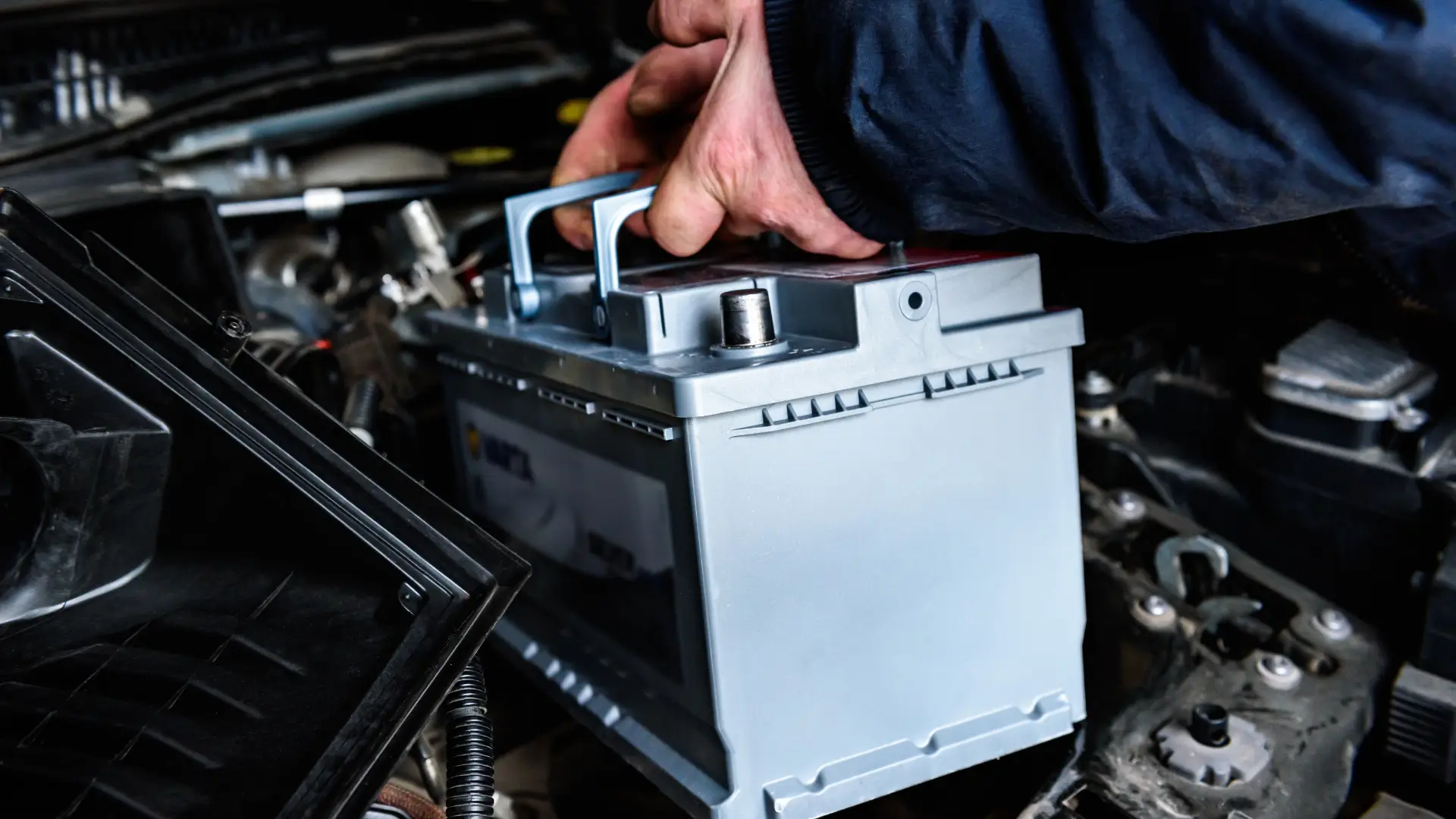
A/C problems can also overlap with electrical concerns. The blower motor, compressor clutch, cooling fans, relays, sensors, and battery all work together. In our guide on how to make your car battery last longer, we note that hot weather can be tough on batteries. That matters in summer because a weak charging system can make electrical accessories less reliable.
We also covered how warming weather can reveal battery trouble in Why Car Batteries Fail in spring. If your A/C is weak and your vehicle is also slow to start, showing flickering lights, or displaying electrical warnings, it is worth having the charging system checked too.
What A Proper A/C Diagnosis Should Include
A good A/C diagnosis should do more than confirm that the air is warm. It should check system pressure, refrigerant level, leaks, compressor operation, condenser condition, airflow, cabin air filter condition, and related electrical controls.
At 4 Aces Auto Centre, the goal is to explain the issue clearly so you know what is needed, what can wait, and what should be repaired before the system gets worse. A clear diagnosis also helps you avoid spending money on unnecessary parts or repeat visits.
When To Book A/C Repair
If your A/C blows warm air, only works while driving, cools for a few minutes and then stops, makes noise when turned on, or smells musty, it is time to book service. It is also smart to have the system checked before a long summer drive, especially if it has felt weaker than usual.
A small leak or clogged filter is usually easier to deal with than a failed compressor. The sooner you know what is happening, the better. If you are still wondering why my car AC is blowing warm air after checking the basics, a proper inspection can confirm whether the issue is refrigerant, airflow, electrical, or compressor-related.
FAQs
A/C systems should be inspected when performance changes. Many drivers also benefit from a check every couple of years, especially before summer driving.
Intermittent cooling can point to pressure problems, a failing compressor clutch, a sensor issue, or an electrical fault. It is best to have it checked before the system fails completely.
Possibly, but low refrigerant often means there is a leak. A professional inspection should find the cause before the system is recharged.
In many cases, yes. However, if the compressor is making noise, the belt is affected, or the system is causing electrical issues, it should be inspected promptly.
The most common reasons are low refrigerant, a refrigerant leak, compressor trouble, a clogged condenser, a blocked cabin air filter, or an electrical fault. A proper diagnosis can confirm the exact cause.