A TPMS light in cold weather often comes on because tire pressure falls as outside temperatures drop. That does not automatically mean you have a puncture, but it does mean you should check all four tires with a pressure gauge and inflate them to the vehicle manufacturer’s recommended cold pressure.
If the light keeps returning, flashes before staying on, or one tire is much lower than the others, the problem may be a leak, damaged valve, wheel issue, or TPMS sensor fault.
For Peterborough drivers, this warning becomes especially common during fall, when warm afternoons can quickly turn into cold mornings and seasonal tire changeovers begin.
Why Cold Weather Can Turn On Your TPMS Light
Cold temperatures can reduce the air pressure inside your tires enough to activate the Tire Pressure Monitoring System, or TPMS. Transport Canada advises that tire pressure can decrease by about 1 PSI for every 5°C drop in air temperature.
That means a tire set correctly during a mild afternoon can be several PSI lower after an overnight cold snap. If the pressure falls far enough, the dashboard warning may appear.
You cannot reliably judge pressure by looking at the tire. A modern radial tire can appear normal even when it needs air, and underinflation can affect handling, wear, and fuel use.
What a Solid TPMS Light Usually Means
A solid TPMS warning usually means the system has detected low pressure in one or more tires. The correct first step is to measure the pressure, not assume the light is simply reacting to cold weather.
Check the tires when they are cold. Transport Canada considers tires cold when the vehicle has been stationary for at least three hours or has travelled no more than about two kilometres. Compare each reading with the recommended pressure on the tire information label, usually found on the driver’s door edge or door jamb.
Do not use the maximum pressure moulded into the tire sidewall as your target. That figure relates to the tire itself and is not necessarily the correct operating pressure for your vehicle. Transport Canada recommends using the vehicle manufacturer’s tire information label or owner’s manual.
If all four tires are slightly low after a sharp temperature drop, the weather may be the main cause. Inflate them to specification and monitor them. If one tire is several PSI lower than the others, that difference deserves attention. A nail, screw, leaking valve stem, damaged bead area, cracked wheel, or another slow leak may be responsible.
What a Flashing TPMS Light Can Mean
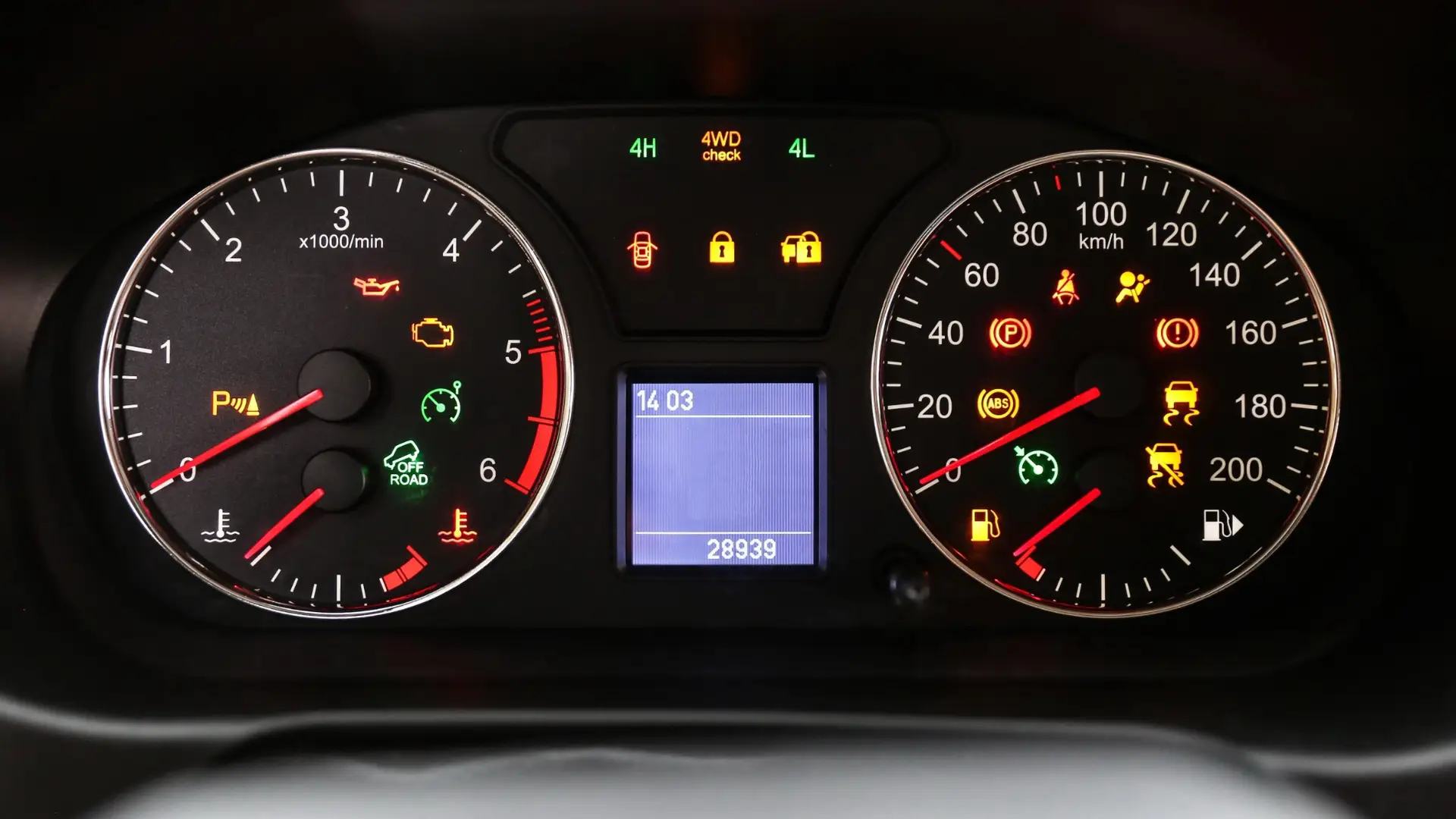
A flashing TPMS light can point to a system problem rather than straightforward underinflation. The exact warning behaviour varies by vehicle, so check the owner’s manual for the system used in your make and model.
Possible causes include a sensor that is no longer communicating properly, a damaged sensor, a failed sensor battery, or a system that needs to relearn sensor positions after tires have been changed or rotated.
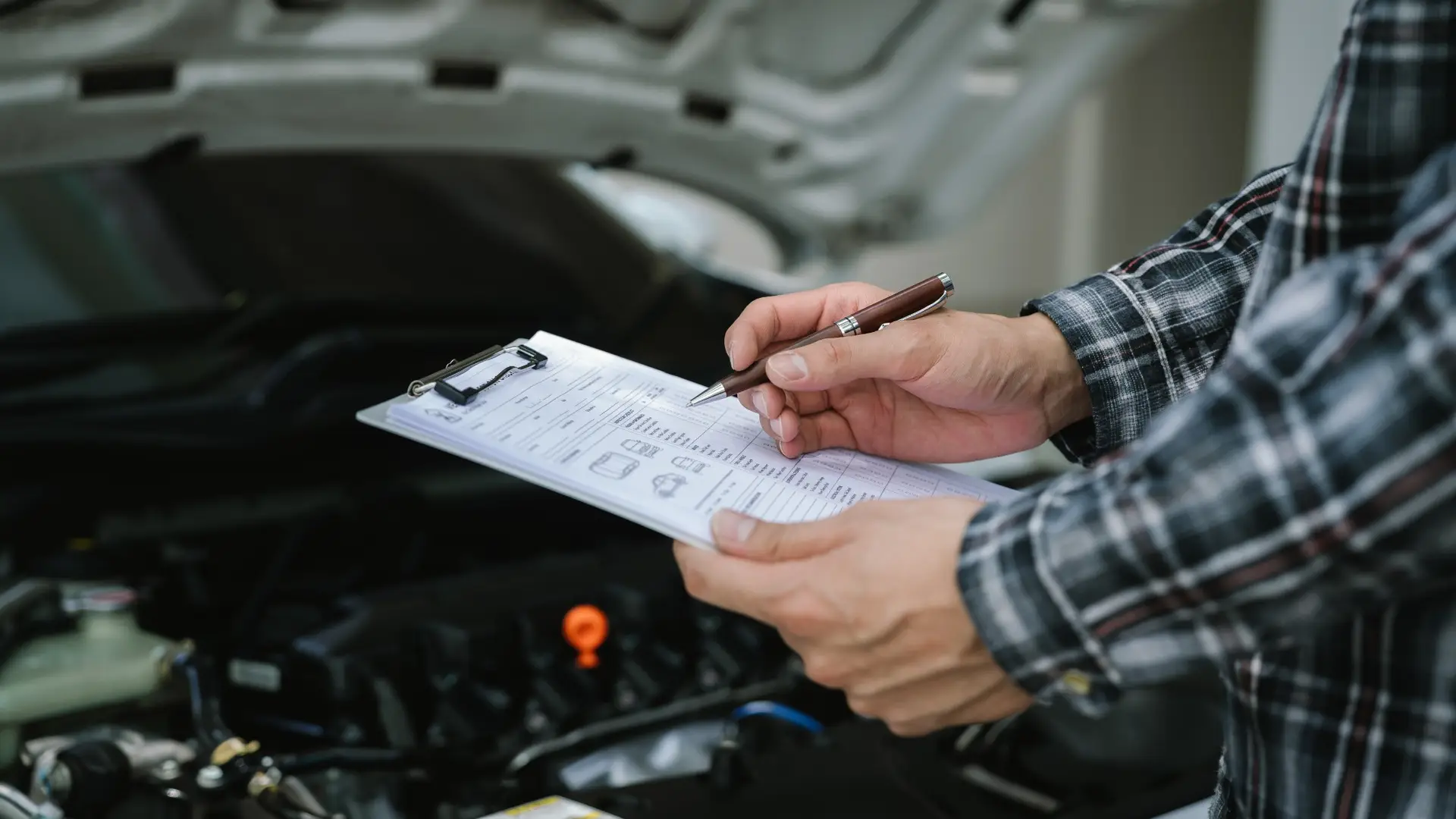
This is where professional vehicle diagnostics can help. A warning light is only the starting point. The goal is to determine whether the actual problem is pressure, a leak, a wheel or valve issue, or the monitoring system itself.
Why the TPMS Light Can Appear After a Winter Tire Change
A TPMS warning after a seasonal tire change can happen when the winter wheel setup uses different sensors, no sensors, or sensors the vehicle has not learned yet.
Transport Canada specifically advises that a TPMS may not work properly with winter tires unless the correct pressure sensors for the vehicle are installed. It also notes that tire changes or rotations can trigger a malfunction warning when the system has not been reset correctly.
Some vehicles use pressure sensors mounted at the wheels, while others infer a pressure problem from wheel-speed information. After a seasonal changeover, some systems recognize the setup automatically while others require a reset or relearn procedure.
4 Aces Auto Centre’s winter tire installation and seasonal changeover service includes TPMS inspection, and the shop can program replacement sensors when needed. If the warning appeared immediately after a tire swap, tell the technician when it started and whether the light is solid or flashing.
Should You Add Air When the Temperature Drops?
Yes, if the tires are below the manufacturer’s recommended cold pressure. Do not wait for warmer weather to bring the reading back up.
Use a reliable gauge and check the pressure before driving when possible. Add air until each tire matches the specification for that vehicle. Some vehicles use different pressures at the front and rear, so check the label rather than assuming all four are identical.
A few practical habits can prevent unnecessary problems:
- Check pressure monthly and after a major temperature change.
- Use the door-jamb tire placard or owner’s manual for the correct PSI.
- Check the spare if your vehicle carries one.
- Do not bleed air from a warm tire just because the reading is higher after driving.
If you are already preparing for winter, a seasonal appointment is a good time to have tread depth, tire condition, pressure, balancing, and TPMS operation checked together. 4 Aces Auto Centre’s tire and wheel services cover repairs, tire installation, balancing, and wheel-related concerns.
When a TPMS Warning Could Mean a Leak Instead of Cold Weather
Cold weather generally affects all four tires in the same direction. A real leak often creates a different pattern, with one tire losing pressure faster than the others or repeatedly needing air.
Pay closer attention if:
- one tire is noticeably lower than the other three
- the warning returns soon after you add air
- you can see a nail, screw, cut, bulge, or damaged valve
- the car begins pulling, vibrating, or feeling unstable
- the warning appears while driving
- you hear a flapping or thumping sound
- a tire is visibly losing air
If a tire is rapidly deflating or the vehicle feels unsafe, stop in a safe location rather than continuing to drive on it.
A slow leak can be less obvious. The tire may lose only a small amount over several days. Keeping track of your pressure readings can help show whether the loss follows changes in temperature or whether one tire is losing air independently.
What to Have Checked During Your Fall Tire Changeover
A fall tire changeover is a useful inspection point because the wheels are already being handled. It gives the technician a chance to spot problems that can otherwise remain hidden until the first cold snap.
Before winter, check:
- tread depth and uneven wear
- cracking, bulges, cuts, or other tire damage
- wheel and bead condition
- valve stems and TPMS sensors
- correct tire size and load rating
- tire pressure after installation
- wheel balance if vibration is present
- alignment if the tires show irregular wear or the vehicle pulls
For a broader seasonal checklist, see 4 Aces Auto Centre’s guide to winter driving preparation.
When Should You Book a TPMS or Tire Inspection?
Book an inspection if the warning stays on after the tires are set to the correct pressure, one tire keeps losing air, the light flashes, or the warning started immediately after a tire or wheel change.
The same applies if you are unsure whether your winter wheels have compatible TPMS sensors. Checking before the busiest tire-change period can prevent the warning light from becoming something you simply ignore all winter.
A TPMS warning is not a diagnosis. It is a prompt to check the tires and determine why the pressure or monitoring system triggered the warning. If the cause is cold weather, the solution may be as simple as correcting the tire pressure. If the cause is a leak or sensor problem, finding it early can help protect the tire and keep the monitoring system working as intended.
FAQs
A cold-weather TPMS warning often appears because tire pressure falls as the temperature drops. Check all four tires cold and inflate them to the vehicle manufacturer’s recommended pressure rather than assuming the warning will disappear on its own.
Yes, pressure can rise as the tires warm during driving, and the warning may turn off on some vehicles. That does not mean the cold pressure was correct, so check the tires with a gauge when they are cold.
A tire can look normal and still be underinflated, so appearance is not a reliable pressure check. If the measured pressures are correct and the light remains on, the vehicle may need a TPMS reset, relearn, or sensor diagnosis.
It depends on the vehicle and wheel setup. Vehicles with direct TPMS may need compatible sensors in the winter wheels if you want the monitoring system to function normally with that set installed.
The warning can appear if the winter wheels use different sensors, lack sensors, or require the vehicle to relearn them. A technician can confirm whether the sensors are compatible and whether a reset, relearn, or replacement is required.