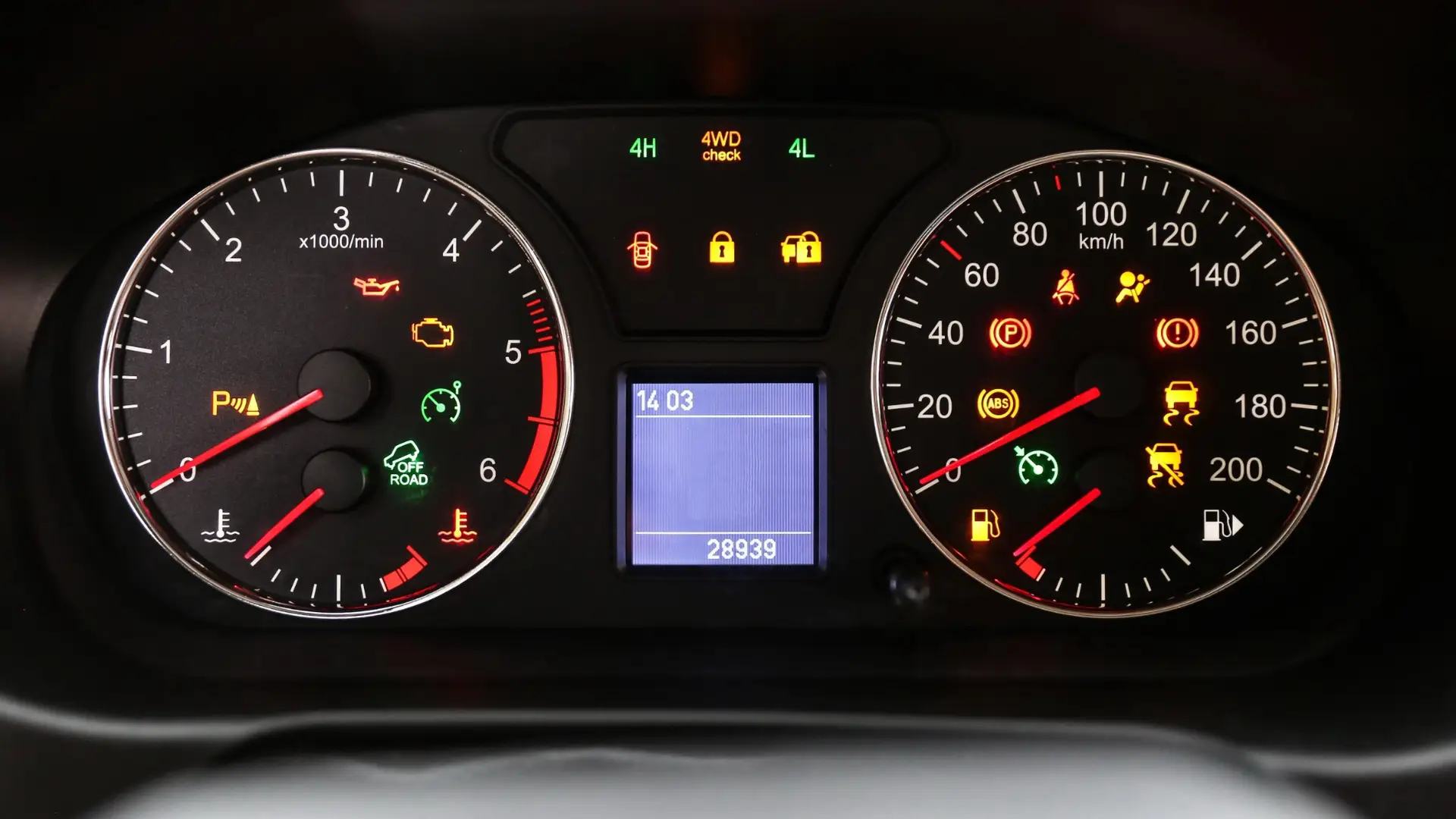

When comparing an Ontario safety certificate vs. pre-purchase inspection, the key difference is purpose. The safety certificate confirms that a vehicle met Ontario’s minimum prescribed safety standards on the date of inspection, while a pre-purchase inspection helps a buyer understand the vehicle’s broader condition, likely repair needs, and ownership risks before committing to the purchase.
A vehicle can pass a safety inspection and still need maintenance or repairs that matter to your buying decision.
What Does an Ontario Safety Standards Certificate Actually Mean?
A Safety Standards Certificate, often shortened to SSC, confirms that the vehicle met Ontario’s minimum safety standards when it was inspected. It is not a warranty and does not guarantee the vehicle’s future condition or reliability.
Ontario requires a safety inspection in several situations, including many used-vehicle ownership transfers, registering a vehicle brought into Ontario, registering a rebuilt vehicle, and changing a vehicle’s status from unfit to fit.
The inspection must be completed at a licensed DriveON Vehicle Inspection Centre. Ontario’s DriveON program replaced the former paper-based inspection-station system after March 31, 2025. A Safety Standards Certificate is valid for 36 calendar days after the inspection.
4 Aces Auto Centre provides Ontario vehicle safety inspections for cars, SUVs, and light trucks in Peterborough.
What Does an Ontario Safety Inspection Check?
The safety inspection focuses on regulated items that affect roadworthiness. It is not designed to predict every repair the vehicle may need next year.
Depending on the vehicle and applicable inspection standard, major areas include:
- brakes and parking brake operation
- steering and suspension components
- tires and wheels
- frame, body structure, and structural corrosion
- lighting and required electrical equipment
- windshield, windows, washers, and wipers
- other components covered by Ontario’s applicable inspection standard
4 Aces’ current safety inspection page identifies these same core systems as part of its inspection process. If something does not meet the applicable standard, it must be corrected before a Safety Standards Certificate can be issued. That still does not tell a buyer everything they may want to know before purchasing the vehicle.
What a Safety Certificate Does Not Tell You About a Used Car
A safety certificate does not mean the vehicle is mechanically perfect or free from upcoming expenses. Ontario describes the certificate as confirmation of minimum safety standards on the inspection date, not a warranty or guarantee of condition.
A vehicle may pass its safety inspection while still having concerns that matter to a buyer, such as upcoming maintenance, an aging battery, non-safety-related leaks, air conditioning problems, intermittent electrical faults, diagnostic trouble codes, or unusual engine or transmission behaviour.
Two vehicles can both have valid safety certificates while carrying very different near-term repair needs. A buyer should also review service records, vehicle history, the Used Vehicle Information Package where applicable, and available repair invoices. Ontario specifically recommends having a mechanic inspect a used vehicle before purchase.
How Is a Pre-Purchase Inspection Different?
A pre-purchase inspection is designed around the buyer’s decision rather than the minimum legal standard for a certificate. Its purpose is to identify visible, measurable, or diagnostic concerns that could affect reliability, maintenance costs, safety, or the value of the vehicle.
The exact scope varies by shop, so ask what is included. A thorough used-car evaluation may look at:
- engine and transmission operation
- fluid condition and visible leaks
- battery and charging system
- brakes, steering, and suspension
- tires, wheels, and alignment-related wear
- exhaust components
- heating and air conditioning
- warning lights and stored diagnostic information
- signs of collision repairs or unusual structural condition
- maintenance items that are due or approaching
If a warning light is present or the vehicle has an intermittent problem, vehicle diagnostics may be needed to go beyond a visual inspection and determine the cause. The value of the inspection is context. A worn component that still meets the regulated safety threshold may not prevent certification, but a buyer may still want to know that an expense is approaching.
Ontario Safety Certificate vs. Pre-Purchase Inspection: Do You Need Both?
In many cases, the two serve complementary purposes. A valid Safety Standards Certificate can satisfy an applicable legal requirement for registration, while an independent pre-purchase inspection helps you decide whether the car itself is a sensible purchase.
Question | Safety Standards Certificate | Pre-Purchase Inspection |
Does it confirm the vehicle met Ontario’s prescribed minimum safety standards on the inspection date? | Yes | May assess the same systems, but that is not its only purpose |
Is it used for certain ownership transfer or registration situations? | Yes | No |
Is it a warranty on the vehicle? | No | No |
Is it intended to identify broader maintenance and repair concerns for the buyer? | Not its primary purpose | Yes |
Can it help estimate upcoming ownership costs? | Limited | Yes, depending on scope |
Should the buyer still review history and service records? | Yes | Yes |
If the seller already has a valid safety certificate, ask to see it, but do not treat it as a substitute for your own evaluation of the vehicle.
What Should You Check Before Agreeing to Buy?
Start with the paperwork, then confirm the vehicle matches what you are being told. Check vehicle history, confirming the seller is the registered owner, matching the VIN to the permit, reviewing the Used Vehicle Information Package, test driving the vehicle, and having a mechanic inspect it.
During the test drive, pay attention to starting, idling, shifting, steering, braking, ride quality, warning lights, and noises that change with speed, braking, or steering. Look at the tires as well. Uneven tread wear can point to alignment, steering, or suspension concerns.
If braking produces vibration, noise, pulling, or a soft pedal, a brake inspection and repair assessment can help determine what is worn and what the repair may involve. Don’t let a freshly cleaned engine bay or a short drive around the block replace a proper mechanical inspection.
How Long Is an Ontario Safety Certificate Valid?
An Ontario Safety Standards Certificate is valid for 36 calendar days after the inspection. If it expires before it is used for the applicable registration process, another inspection and certificate may be required. Ontario also requires a buyer to register as the new owner within six days of purchasing a used vehicle.
If a certificate is close to expiring, confirm the dates before completing the transaction rather than assuming it can be used later.
What Should You Do if the Inspection Finds Problems?
An inspection finding does not automatically mean you should walk away from the vehicle. It gives you information to determine whether the purchase price and expected repair costs still make sense.
Ask the technician to separate concerns into practical categories:
- Items that must be repaired for the vehicle to meet the applicable safety standard.
- Repairs that are not immediate safety failures but should be addressed soon.
- Routine maintenance that is due or overdue.
- Problems that need further diagnosis before a reliable repair recommendation can be made.
That breakdown helps you compare the asking price with the likely cost of putting the vehicle into the condition you expect. For routine items, compare the findings with the manufacturer’s service schedule and 4 Aces Auto Centre’s scheduled maintenance service. If several significant problems appear, the findings can help you ask better questions, negotiate based on documented repairs, or decide that another vehicle is the better choice.
A Safety Certificate Is a Starting Point, Not a Buying Recommendation
An Ontario Safety Standards Certificate has an important purpose. It confirms that the vehicle met the province’s minimum prescribed safety requirements at the time of inspection. A pre-purchase inspection has a different purpose. It helps you understand the vehicle you may be about to own.
For a used-car buyer, the most useful approach is to separate legal compliance from purchase confidence. Check the paperwork, review vehicle history and maintenance records, take a proper test drive, and have the vehicle independently inspected when its condition or repair history is uncertain.
If you are buying or selling a used vehicle in Peterborough and need a safety inspection or a more detailed vehicle assessment, 4 Aces Auto Centre can inspect the vehicle and explain the findings in plain language before you decide what to do next.
FAQs
No. A Safety Standards Certificate confirms that the vehicle met Ontario’s minimum safety standards on the inspection date, but it is not a warranty or guarantee of overall mechanical condition.
A Safety Standards Certificate is required for many used-vehicle transfers and registration situations, but exemptions exist. Check the current Ontario requirements for your specific transfer before completing the transaction.
A separate pre-purchase inspection can still be worthwhile because it answers a broader question about the vehicle’s condition and likely repair needs. The safety certificate is focused on meeting the prescribed provincial safety standard, not determining whether the car is a good value for you.
The certificate is valid for 36 calendar days after the inspection. If it expires before you complete the required registration process, you may need another inspection and certificate.
A Safety Standards Certificate cannot be issued until the vehicle meets the applicable inspection requirements. Ask for a clear explanation of the failed items and a repair estimate before deciding whether to authorize repairs or reconsider the transaction.