A lot of drivers expect battery trouble in the middle of winter, not once the weather starts to warm up. But spring is often when a weak battery finally gives out. After months of cold starts, short trips, and extra strain on the charging system, the effects of winter start to catch up. That is why a vehicle that struggled a little in January can suddenly refuse to start in April. According to CAA’s winter car care advice, cold weather puts added stress on vehicle batteries, and older batteries are much more likely to fail after a hard season.
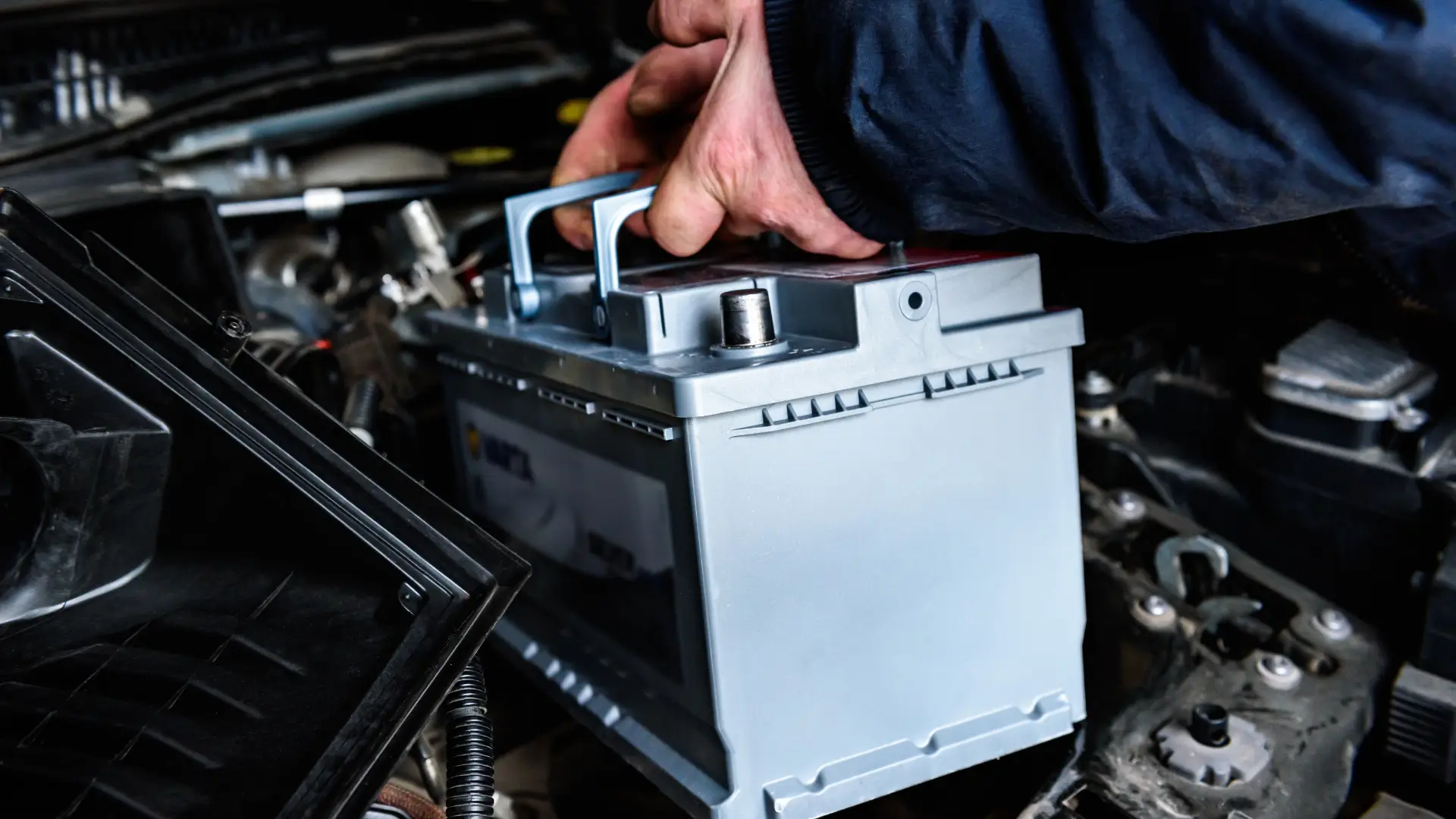
At 4 Aces Auto Centre, spring battery issues are something we see every year. Sometimes the battery itself is at the end of its life. Other times, the real problem is corrosion, a weak alternator, poor connections, or a charging system that is no longer keeping up. If your vehicle has been slow to start lately, now is a smart time to book a car battery replacement Peterborough service before a minor issue turns into a no-start situation.
Winter Takes the Life Out of Your Battery
Cold weather is tough on batteries for a simple reason. Starting an engine in low temperatures takes more power, and if the vehicle is only being driven on short trips, the battery may never fully recover between starts. That point comes through clearly in 4 Aces’ own post on How to Make Your Car Battery Last Longer, which explains that repeated short drives can leave the battery undercharged and gradually shorten its life.
That is why spring can be misleading. The weather improves, but the battery may already be weakened from months of extra effort. Transport Canada’s guidance on preparing your vehicle for winter stresses the importance of checking the battery, cleaning the terminals, and making sure the charging system is working properly. Those checks still matter in spring because this is often when winter wear finally becomes obvious.
The Signs of a Weak Battery Are Usually There First
Most batteries do not fail without giving some warning. One of the first signs is slow cranking. The engine still turns over, but it sounds sluggish or hesitant. You might also notice dim headlights, electrical accessories acting strangely, or a dashboard warning light that comes and goes.
Those same warning signs come up in How to Make Your Car Battery Last Longer, where 4 Aces points out that clicking at startup, dim interior lights, and visible corrosion at the terminals are all signs that the battery should be tested. If any of that sounds familiar, it makes sense to have your electrical systems checked before the problem leaves you stranded.
Sometimes the Battery Is Not the Full Story
It is easy to assume the battery is the only thing to blame, but a vehicle’s starting and charging system is connected. The battery, alternator, starter, cables, and grounds all work together. If one part is underperforming, it can make the whole system feel unreliable.
That is one reason guessing is rarely the best approach. A battery can test weak because it is old, but it can also test weak because it is not being charged properly. In some cases, a hidden drain is pulling power while the vehicle sits. If the same issue keeps happening, vehicle diagnostics can help pinpoint whether the battery itself is failing or whether another electrical fault is behind the problem.
Spring Is the Right Time To Catch the Issue Early
A lot of drivers put off battery service once the snow is gone because the vehicle seems to be starting well enough. That can be a mistake. A weak battery rarely fixes itself. It usually keeps slipping until one day the car will not start at all.
This is exactly why seasonal maintenance matters. In Winter Driving Prep: Practical Tips from 4 Aces Auto Centre, the team recommends load-testing batteries that are more than three years old, checking for corrosion, and confirming that the alternator is charging properly. Those may sound like winter reminders, but they make just as much sense in spring because they help catch the wear winter leaves behind.
Spring is also a good time to look at the bigger picture. Our page on pro tips to extend your vehicle’s life, features a simple message: small checks now can help prevent bigger repairs later. That applies directly to battery health. A quick test during your next scheduled maintenance visit can help you avoid an unexpected breakdown when your week is already busy enough.
Corrosion, Age, and Short Trips All Make Things Worse
Battery trouble is not always dramatic at first. Sometimes the vehicle starts normally one day and hesitates the next. In other cases, the problem shows up as weak accessories, hard starts after sitting overnight, or a battery that seems fine until the weather shifts again.
Age plays a role too. Once a battery gets into that three to five year range, it becomes more vulnerable to seasonal changes and everyday electrical demand. Add in corrosion around the terminals or a pattern of short local trips, and the battery has even less margin to work with. That is why drivers who mostly use their vehicles for errands around town often benefit from having the system checked before the problem gets worse.
Don’t Wait Until It Leaves You Stranded
Battery problems have a way of showing up at the worst possible time. Usually it’s when you are already running late, heading to work, or parked somewhere you do not want to be stuck.
The good news is that most battery failures give you a window to act. If your car has been slow to crank, your lights seem dimmer than usual, or you know the battery is getting older, bring it to 4 Aces Auto Centre. We can inspect the battery, charging system, and connections, explain what we find clearly, and help you decide whether you need a cleanup, a recharge, or a replacement.
FAQs
Spring battery failures are often the result of winter strain. Cold starts, short trips, and higher electrical demand can weaken the battery over the colder months, and the problem becomes more obvious once the season changes.
Most car batteries last around three to five years, although driving habits, weather, and charging issues can shorten that lifespan.
Yes. If the alternator is not charging the battery properly, the battery may seem like the problem when it is really just not being recharged the way it should be.
Slow cranking, clicking at startup, dim headlights, warning lights, and corrosion around the terminals are all common signs that a battery should be tested.