
Why Timing Your Spring Tire Changeover Actually Matters
March in Peterborough is its own kind of unpredictable. One afternoon you’re driving in a t-shirt with the windows down, and by the next morning there’s a dusting of snow on the windshield. That back-and-forth makes it genuinely tricky to know when the right moment is to get your winter tires swapped off.
But leaving it too long is a real problem. Winter tires are designed for cold, and once the roads start staying consistently warm, keeping them on does more harm than good.
Why Timing Your Spring Tire Changeover Actually Matters
The temperature benchmark you’re looking for is 7 degrees Celsius. According to CAA North & East Ontario, the recommended approach is the “7-for-7 rule”: once you’ve had seven consecutive days where the daytime high is consistently at or above 7°C, it’s safe to make the switch. That soft rubber compound that grips so well in January becomes a liability in warmer temperatures. It wears down fast on dry pavement and actually increases your stopping distance compared to a proper all-season or summer tire.
For Peterborough, that window typically arrives somewhere between late March and mid-April. This year, with the freeze-thaw cycle in full swing right now, you want to be watching the forecast rather than just going by the calendar.
What Happens If You Leave Winter Tires on Too Long
There’s a common assumption that leaving winter tires on a little longer is the cautious choice. In reality, it works against you. The softer compound that gives winter tires their cold-weather grip heats up quickly on warmer asphalt, accelerating wear and reducing handling precision. You’ll also notice the steering feels less responsive, which isn’t what you want heading into the pothole season that follows every Peterborough winter.
There’s also a financial reason to time it right. Ontario auto insurers offer around a 5% discount on premiums for vehicles equipped with winter tires during the colder months. That discount runs on a schedule, so keeping track of your changeover date matters. You can read more about how your tire choice affects your coverage through resources like Canada Drives’ seasonal tire guide.
Check Your Tires Before You Store Them
The spring changeover is also your best opportunity to assess the condition of your winter tires before they go into storage for the next seven months. Inspect the tread depth carefully. The legal minimum in Canada is 1.6mm, but most tire professionals recommend replacing winter tires once they’re down to 4mm, since traction in snow drops significantly below that mark.
While you’re at it, look for uneven wear patterns, cracking in the sidewall, or any visible bulges. Our post on winter driving prep for Peterborough drivers covers how cold-weather conditions stress your tires and other vehicle systems over a full Ontario season. The damage that accumulates from months of sub-zero driving shows up most clearly under the bright light of a spring inspection.
Rotation Makes the Switch Worth More
When you bring your vehicle in for the spring tire changeover, ask about rotating your all-season or summer tires at the same time. Swapping the rear tires to the front and the fronts to the rear distributes wear more evenly across all four, extending the life of the set significantly. It takes only a few extra minutes during the changeover and can add thousands of kilometres to how long your tires last before needing replacement.
Our tire and wheel services in Peterborough include seasonal changeovers, rotations, balancing, and alignment checks, so you can take care of everything in a single visit rather than coming back for each item separately.
Don't Forget the Alignment After a Long Winter
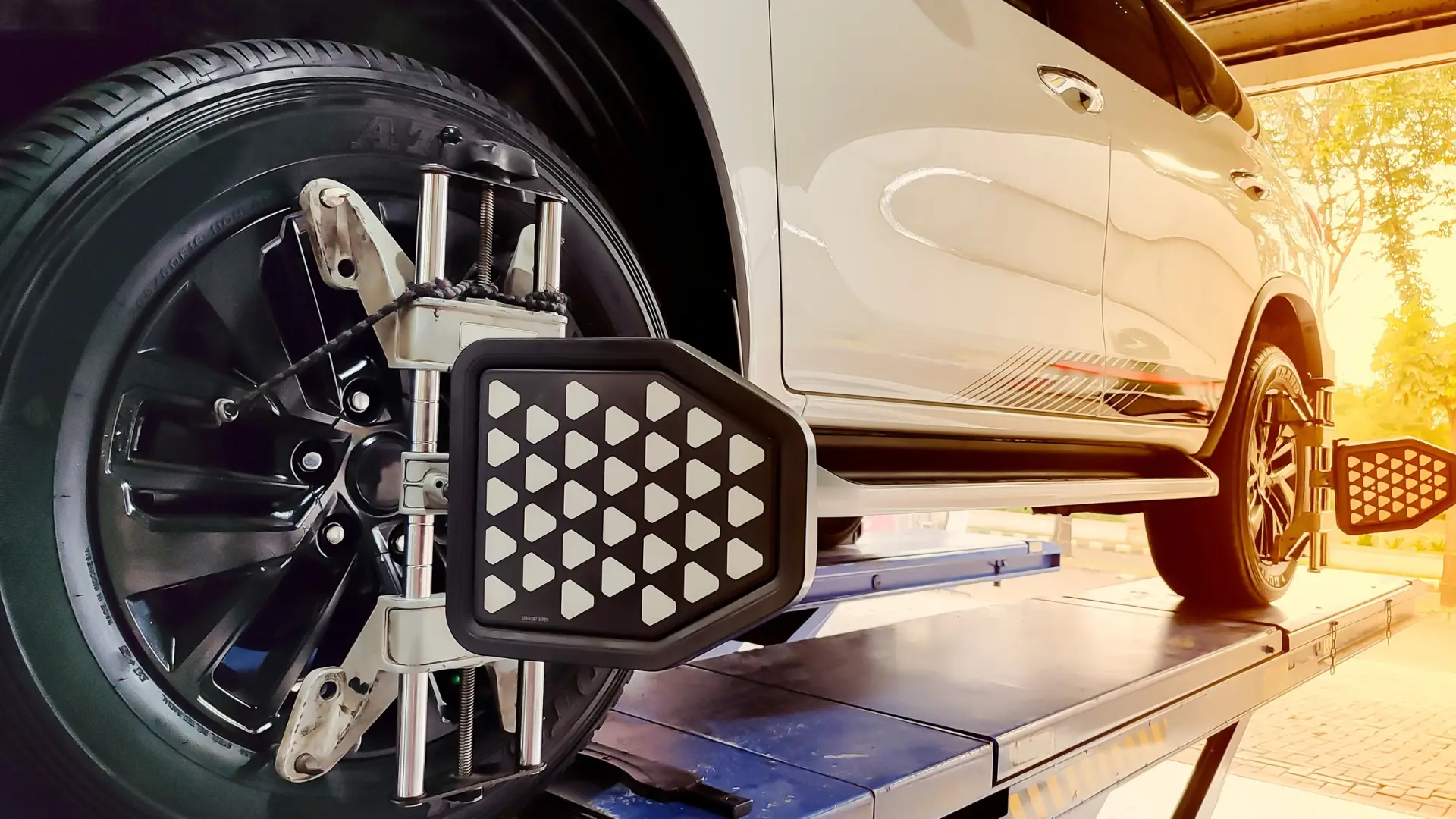
Peterborough roads take a serious beating every winter. The combination of freeze-thaw cycles, road salt, and heavy snowplows leaves behind a surface that’s hard on suspension and alignment. If you hit a pothole hard enough this winter, or noticed your vehicle pulling slightly to one side, the spring tire changeover is the right time to have alignment checked as well.
A vehicle that’s even slightly out of alignment will wear your new tires unevenly, which shortens their lifespan and affects handling. Catching it now, before you’ve put significant summer kilometres on a fresh set, saves you from replacing tires ahead of schedule.
Our tire and wheel services in Peterborough include seasonal changeovers, rotations, balancing, and alignment checks, so you can take care of everything in a single visit rather than coming back for each item separately.
Book Early and Bundle Your Services
Every spring, tire shops across Ontario fill up fast the moment the first warm week arrives. Booking your changeover appointment in advance, ideally while March is still underway, means you’re not waiting two or three weeks for an opening. If your vehicle is also due for an oil and filter change or a general post-winter look-over, bundling those services into the same appointment saves you time and gets your vehicle sorted for the season in one shot.
A quick vehicle safety inspection at this time of year is also worth considering, especially if your vehicle is getting older or if winter threw anything unusual at it. Spring is the right window for all of it, and getting ahead of the rush means the process is faster and easier for everyone.
FAQs
The safest guideline is the 7-for-7 rule: once temperatures have been consistently at or above 7 degrees Celsius for seven consecutive days. In Peterborough, that typically falls between late March and mid-April, depending on the year.
You can, but it’s not recommended. Winter tire rubber degrades quickly in warm weather, which increases stopping distances and accelerates wear. Most drivers will need to replace their winter tires sooner than expected if they’re used year-round.
Not every time, but after a Peterborough winter it’s worth checking. If you hit any significant potholes, noticed pulling, or haven’t had an alignment done in the past year, spring is a smart time to have it inspected alongside your changeover.
Look for tread depth below 4mm, visible cracking in the sidewall, bulges, or uneven wear. The spring changeover is the ideal moment to assess condition before the tires go into storage for seven or eight months.