By March, your vehicle has been through a lot. Months of sub-zero starts, roads caked in salt brine, and enough freeze-thaw cycles to quietly work damage into places you’d never think to look. The snow might be melting, but the effects of an Ontario winter don’t disappear with it.
March is the right time to take stock of what winter left behind. Not because something is necessarily broken, but because catching small problems now is far cheaper than waiting until they become large ones.
Road Salt Is Still Working on Your Car Right Now
Ontario roads receive significant amounts of road salt every winter, and the damage it causes doesn’t stop the moment you pull into your driveway. According to the Environmental Commissioner of Ontario, corrosion from road salt can cost vehicle owners up to $850 per year and has been directly linked to brake failures. The undercarriage, brake lines, and exhaust system absorb the most exposure, and much of the damage builds gradually in areas that are difficult to see without lifting the vehicle.
Salt mixed with moisture forms a solution that accelerates oxidation in metal. AAA has noted that even vehicles with modern corrosion-resistant designs remain vulnerable underneath, and because this type of wear is considered normal wear and tear, it typically isn’t covered by insurance. That makes catching it early all the more important.
Getting a proper undercarriage rinse is the first step, ideally with a high-pressure wash that reaches into the wheel wells, door sills, and lower rocker panels. From there, booking a vehicle safety inspection gives a technician the chance to look for early signs of corrosion before it becomes something structural.
Your Brakes Have Had a Hard Winter Too
Brake components take more abuse in winter than in any other season. Salt accelerates corrosion on rotors, callipers, and brake lines. Grit and road debris get packed into the braking system, and the consistent hard stops required on slippery roads wear pads faster than normal warm-weather driving.
If you’ve noticed any squealing, grinding, a soft pedal, or vibration when braking, those are obvious signals. But even if everything feels fine, a post-winter brake inspection is worth doing. Our post on cheap brake repairs and why they can cost you more covers exactly this point: deferred maintenance on brakes rarely saves money in the long run. Minor pad wear caught in March is a straightforward fix. A scored rotor or corroded line discovered in June is a more involved one.
Our brake service team performs full inspections covering pads, rotors, callipers, and fluid, so you have a clear picture of where things stand before the busy driving season starts.
Fluids Degrade Over a Long Winter
Engine oil thickens in cold temperatures and picks up moisture contamination over the course of winter. If you haven’t had a lube, oil, and filter service since fall, March is overdue. The same applies to coolant, brake fluid, and windshield washer fluid. Many drivers swap in a winter-formula washer fluid in November and forget about it entirely until summer heat makes it foam and smear across the glass.
Coolant deserves particular attention. It works hard all winter, regulating engine temperature through extreme fluctuations, and its protective additives break down over time. A simple test can tell a technician whether the concentration is still adequate or whether a flush and refill make sense before the warmer months arrive.
Rotation Makes the Switch Worth More
When you bring your vehicle in for the spring tire changeover, ask about rotating your all-season or summer tires at the same time. Swapping the rear tires to the front and the fronts to the rear distributes wear more evenly across all four, extending the life of the set significantly. It takes only a few extra minutes during the changeover and can add thousands of kilometres to how long your tires last before needing replacement.
Our tire and wheel services in Peterborough include seasonal changeovers, rotations, balancing, and alignment checks, so you can take care of everything in a single visit rather than coming back for each item separately.
Potholes and What They Leave Behind
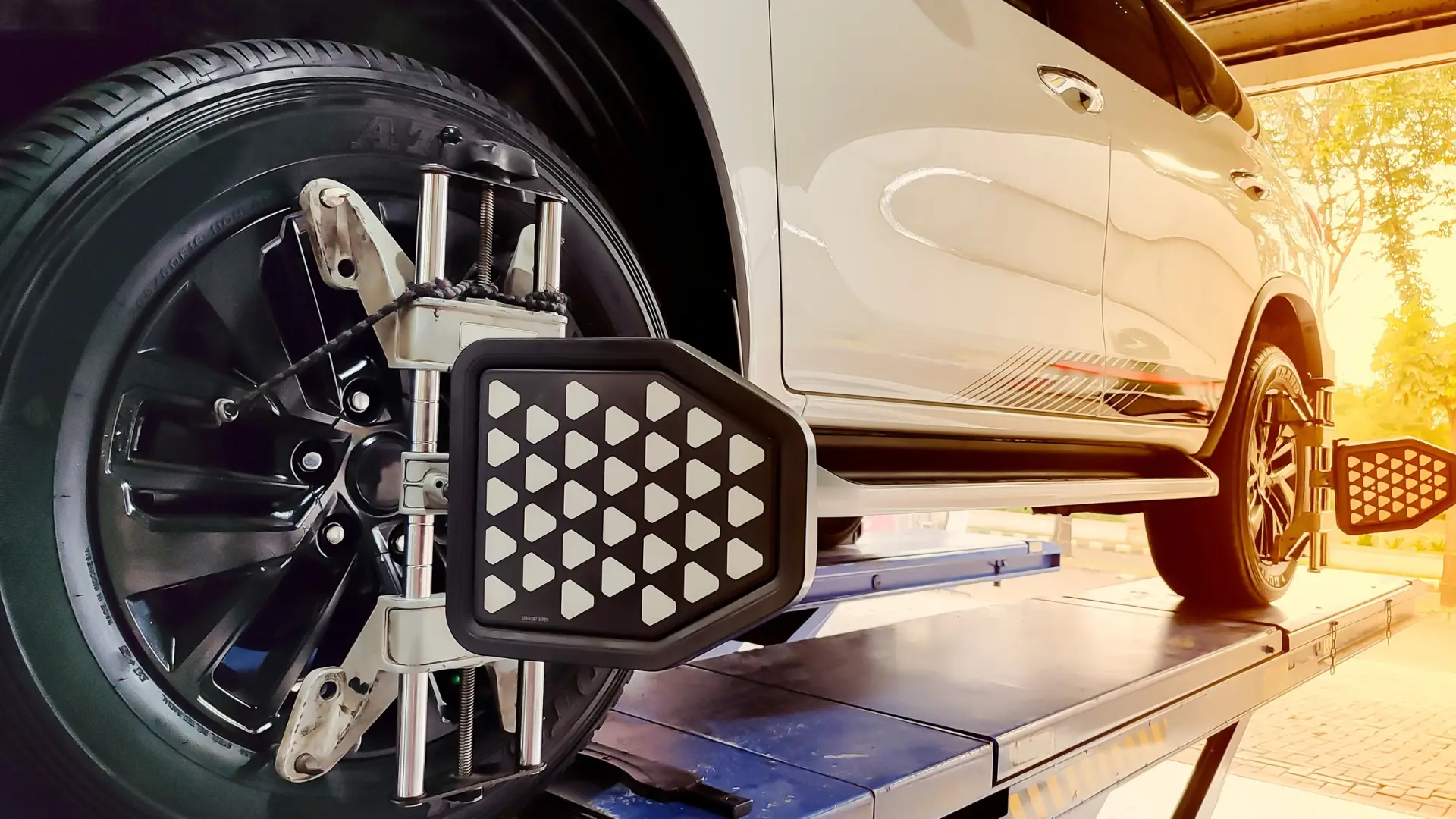
If you’ve driven anywhere in the Peterborough area this winter, you’ve felt them. Potholes form when water seeps into cracks in the pavement, freezes, expands, and pushes the asphalt apart. The roads that result are hard on suspension components, alignment, and tyres. Even a single significant impact can knock a vehicle out of alignment or put added stress on shock absorbers and struts that were already managing normal wear.
The symptoms aren’t always dramatic. A slight pull to one side, uneven tyre wear at your next rotation, or a subtle change in how the vehicle tracks at highway speed can all point to alignment issues that developed quietly over winter. If your check engine light came on at any point, or you’re noticing anything unusual in how the vehicle feels or sounds, vehicle diagnostics can pinpoint what’s going on before a minor issue turns into a repair bill.
Windshields, Wipers, and Lights
Cold temperatures, ice scrapers, and road debris are a reliable recipe for windshield chips and minor cracks. In Ontario, a cracked windshield that obstructs the driver’s view can result in a fine, but more practically, small chips become large cracks quickly once temperature swings start. Catching a chip while it’s still small is an inexpensive repair. Waiting until it spreads across the glass is not.
Winter wiper blades have been working against ice and snow for months. Most drivers notice their wipers aren’t performing well only when it rains, which in Peterborough in March tends to happen often. Fresh blades and a full reservoir of spring-formula washer fluid are simple, low-cost fixes that make a meaningful difference in visibility on wet spring roads.
The Case for Dealing With Everything at Once
The most practical approach is to address all of this in a single appointment rather than booking separate visits for each concern. Our scheduled maintenance service covers the full picture: fluid checks, brake inspection, tyre condition, and a general post-winter assessment. One visit, a complete read on where the vehicle stands, and you go into spring with confidence rather than guesswork.
March is genuinely the best time to do this. The winter is behind you, and the wave of emergency repairs that peaks each spring has not yet arrived. Getting in now means faster service, and it means any issues that did develop over winter get resolved before they compound.
FAQs
Road salt mixes with moisture to form a corrosive solution that accelerates rust on metal components. The undercarriage, brake lines, and exhaust system are most vulnerable. The damage builds gradually and is often invisible until it becomes significant, which is why a post-winter inspection matters.
Focus on brakes, fluids, alignment, tires, the undercarriage, wiper blades, and windshield condition. If your vehicle feels different than it did before winter, or if warning lights appeared at any point, those are priority items for a spring inspection.
Yes. Small issues caught in March, whether it’s a corroded brake line, low fluid, or a tire showing uneven wear, are far less expensive to address than the same issue discovered after it’s had months to develop. A spring inspection is one of the better investments you can make in a vehicle’s long-term reliability.
It can. Salt accelerates corrosion on rotors, calipers, and brake lines. After a winter of heavy exposure, it’s worth having your brake system professionally inspected, even if nothing obvious feels wrong from behind the wheel.