
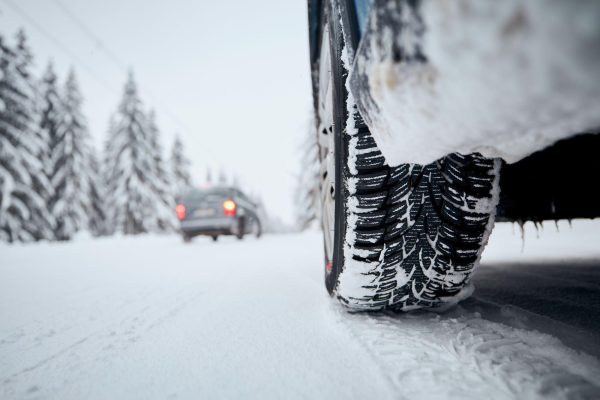
When the Kawarthas turn icy, the right tires can be the difference between creeping out of your driveway with confidence—or staying parked. Winter tires are built to grip, steer, and stop in the cold, so you can get where you’re going safely.
Why winter tires are worth it
- Shorter stopping distances on cold, wet, snowy, or icy roads thanks to specialized tread blocks and sipes.
- Better cold-weather grip because winter compounds stay flexible well below freezing.
- More control in slush and packed snow as aggressive tread designs clear channels instead of clogging.
- Potential insurance savings: many Ontario insurers offer a discount when you install approved winter tires (check your provider).
All-season vs. winter: what changes below 7°C
Below about 7°C, “all-season” rubber hardens and loses bite. Winter tires are engineered for that exact temperature range. Here’s the quick take:
All-Season Tires
- Balanced for spring–fall; predictable in rain and dry conditions
- Harder rubber that becomes stiff in the cold
- Tread grooves can pack with snow and slush
- Fine for “normal” weather, not optimized for deep winter
Winter Tires
- Softer, cold-rated compounds that stay pliable in freezing temps
- Dense sipes and directional patterns to claw into ice and snow
- Stronger braking and takeoff on slick surfaces
When should I switch?
Watch the thermometer—not the calendar. Once daytime highs consistently sit at or below 7°C, it’s time to put winters on. Keep them mounted until spring temps stay above that mark again.
How to choose the right winter tire
- Look for the mountain/snowflake (3PMSF) symbol. That mark means the tire meets a recognized winter performance standard.
- Match size and load rating to your vehicle (we can confirm this for you).
- Think about your driving mix. Lots of highway? Consider a quieter, fuel-efficient winter tread. Mostly city and side streets? Go for extra siping and slush-evacuating patterns.
- Plan to install four. Mixing winters with all-seasons reduces stability and can lengthen stopping distances.
Winter tire services at 4 Aces Auto Centre
- Tire sales & guidance: We’ll help you pick the right winter tire for your vehicle and budget.
- Professional install & balance: Proper torque, fresh valve service, TPMS care.
- Rotation & alignment checks: Protect your investment with even wear and straight tracking.
- Seasonal changeovers: Swap your sets at the right time, without the hassle.
FAQ
Yes. Even without snow, winter compounds keep their flexibility in the cold, maintaining traction and shortening stops.
Use the pressure on your driver-door placard and check monthly—cold air lowers PSI, which can hurt grip and increase wear.
That depends on driving habits and mileage. Most drivers see 4–6 seasons with proper pressure, rotation, and alignment. Replace when tread is worn or if the rubber shows cracking/hardening.
You can, but it’s not ideal. Winter compounds wear faster in warm weather and can feel squirmy on hot pavement. Swap back in spring to extend tire life.
Yes. A full set keeps traction, braking, and stability consistent at all four corners. Two winters mixed with two all-seasons can cause unpredictable handling.


